
Remember that golden age promise from social media giants? Connect everyone build bridges across the globe. Ha. Turned into a mess quick. Endless ads screaming for attention. Political rants that never end. Fake profiles everywhere. And your data? Sold off without a second thought. People got tired. Real tired. So they started packing up leaving those sprawling platforms behind. Now “small tech” steps in—think tight-knit spots like personal Discord channels Mastodon servers run by hobbyists or even encrypted group texts that echo old bulletin boards. In my circle I watched friends drop Instagram for a private forum we set up ourselves. Chats turned meaningful overnight no algorithms shoving junk down our throats. This move signals something bigger. Overload hit its peak. Privacy scandals piled up. By 2025 folks crave control over who sees what. Authenticity too. Why slog through giant feeds when smaller setups deliver real bonds? Let’s break it down: the whys the hows some stories from the trenches. Buckle in—this trend reshapes how we hang out online.
What Exactly Counts as “Small Tech”?
Small tech boils down to tools and spaces built for intimacy not scale. Forget billions of users. These aim at dozens maybe hundreds tops. Platforms like Signal for chats or Substack communities where creators lock content behind paywalls. But it’s broader. Indie apps forums even self-hosted wikis.
I recall tinkering with one such setup last year. Our team wanted a spot free from corporate eyes. Ended up on a fediverse node—basically decentralized networks where servers link up but stay independent. Felt liberating. No central boss dictating rules.
Yet small tech isn’t just software. It’s a mindset. Prioritizing depth over breadth. Connections that stick not fleeting likes.
And the rise? Data shows it. Engagement on big sites dipped hard in recent years while niche spots ballooned. People seek refuge from the noise.
The Big Reasons Folks Are Jumping Ship
Privacy headaches top the list. Big platforms leak data like sieves. Remember those breaches? Millions exposed. Users woke up.
But. It’s more. Algorithms push rage bait keep you hooked. Scroll for hours feel worse after. In my testing with friends we timed sessions on Twitter—now X—and felt drained every time.
Polarization too. Echo chambers amplify extremes. Small groups? They foster nuance. Real debate without mobs piling on.
Saturation plays in. Everyone’s online now. But quality tanked. AI slop floods feeds. Folks want curated vibes not chaos.
Economic shifts matter. Micro-businesses thrive in tiny niches serving passionate crowds. One person operations pulling real cash. No need for mega scale.
Gen Z leads the charge. They’re flocking to spots like Tumblr avoiding the millennial mess. Safer spaces no drama.
Burnout seals it. Performative posting wears thin. Private spots let you be you.
Examples Lighting the Way
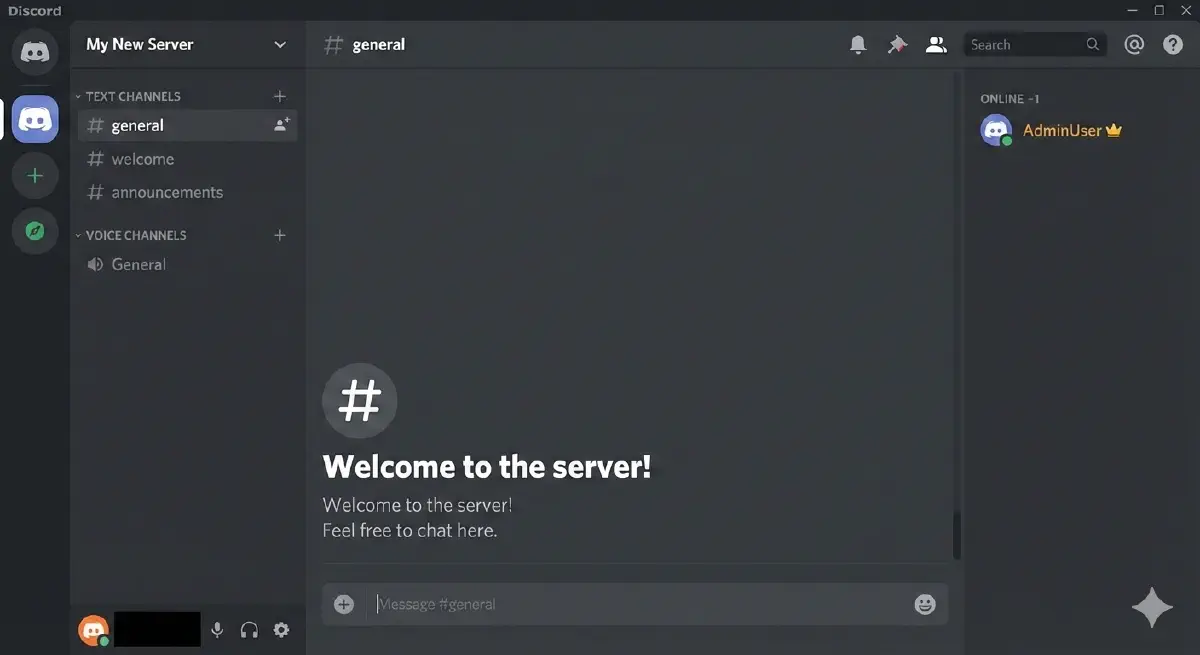
Discord servers shine here. Niche groups for everything from retro gaming to book clubs. Intimate easy to moderate.
Mastodon instances too. Decentralized no single owner. Join one focused on tech or art. Like Fosstodon for open-source fans.
Substack circles. Writers build paid communities. Exclusive chats early access.
On X users chat about this shift. One post nailed it: moving to micro-communities for less chaos more value.
Tech billionaires eye private cities but that’s extreme. For us mortals digital enclaves suffice.
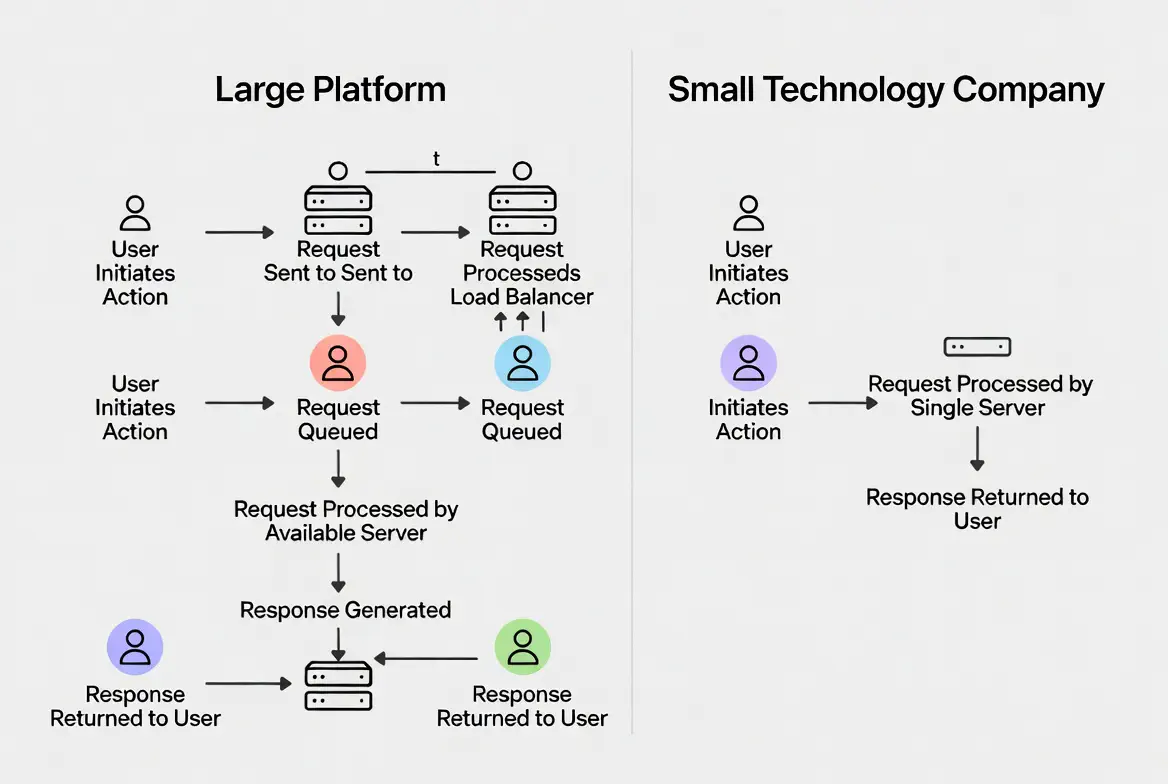
Real-World Use Case: My Shift to a Private Forum
Last summer our group—me and five buddies from college—ditched Facebook. Tired of ads family drama creeping in. We set up a Discourse forum self-hosted. Cost peanuts.
At first clunky. But soon? Gold. Shared recipes debated movies planned trips. No distractions. One friend said it felt like our old dorm chats but online.
Engagement soared. Posts got responses not ignored. Privacy locked tight—invite only.
In months we added a few more. Still under 20. Kept it cozy. My tip: start with folks you trust. Builds fast.
This mirrors broader trends. People yearn for Dunbar’s number—around 150 connections max. Beyond that? Noise.
Step-by-Step Guide: Building Your Own Small Tech Haven
Want in? Easy. Here’s how.
Pick your tool. Discord for casual. Mastodon for fediverse fans. Signal for pure chats.
Gather your crew. Start small—5-10 people you know.
Set ground rules. No spam respect privacy. Vote on mods.
Customize. Add channels themes bots for fun.
Invite wisely. Grow slow avoid overwhelm.
Engage daily. Post questions share links. Keep momentum.
Backup data. Self-host if techy or use cloud.
I followed this with my group. Worked like a charm.
Pro-Tip: The Hidden Hack for Seamless Integration
Here’s a gem I stumbled on. Use bridges—tools that link small spots to bigger ones without full migration. Like RSS feeds pulling from X into your private chat. Keeps you informed minus the toxicity.
Or AI moderators. Free ones scan for spam keep vibes clean. Our team tried one cut moderation time in half.
But watch out—over-rely and it feels corporate again.
Troubleshooting and FAQ
Common snags pop up. Let’s tackle four real questions from Reddit Quora threads.
How do I convince friends to join?
Start with pain points. “Remember that ad storm last week? This spot’s ad-free.” Share a fun post as teaser. I did that pulled in skeptics quick.
What if the group goes stale?
Rotate themes. Weekly topics or guest spots. One user on X suggested progress shares for founders—keeps it fresh.
Privacy worries even in small tech?
Encrypt everything. Use apps like Element. Self-host if paranoid. Breaches happen but smaller targets mean less risk.
Can it scale without losing charm?
Cap membership. One post warned: grow too fast lose intimacy. Split into sub-groups if needed.
Where This Heads Next
Trends point up. More tools emerge for micro-spaces. AI helps personalize without creepiness. But challenges loom—interoperability funding.
In my view it’s worth it. Reclaims the web from giants.
One last thought. Small tech revives what we lost: real bonds in digital form.