Everyone swears AI speeds up writing. Drafts in seconds, ideas flow faster, less staring at blank pages. As a tech writer cranking out posts weekly, I bought the hype hard. Claude 3.5 Sonnet dropped mid-2024, people raved about its context grasp and clean prose. So I decided to test it cold. No fluff reviews—just raw hours logged. For fourteen days straight, I split my article work. One week pure manual, fingers to keyboard from outline to polish. The next, heavy Claude reliance: prompts for structure, sections, rewrites. Tracked every minute with Toggl. Emails, research, breaks excluded. Only drafting and editing time. Results? Mixed bag. AI shaved chunks off early stages but bloated others. Prompt crafting ate hours I never expected. And final edits? Often longer to fix tone drifts. In 2025, with tools everywhere, does AI save time or shift where you waste it? My data says the latter mostly. Let’s dig in.
How I Set Up the Experiment
I write four long-form posts a month for this site. Each around 1500 words, research-heavy tech topics. Picked two similar ones: one on foldable phone trends, another on budget laptops. Manual week first—no AI touch. Outlined in Notes app, researched tabs, wrote in Markdown.
Claude week: fed research snippets, asked for outlines, then section drafts, iterated prompts for better output.
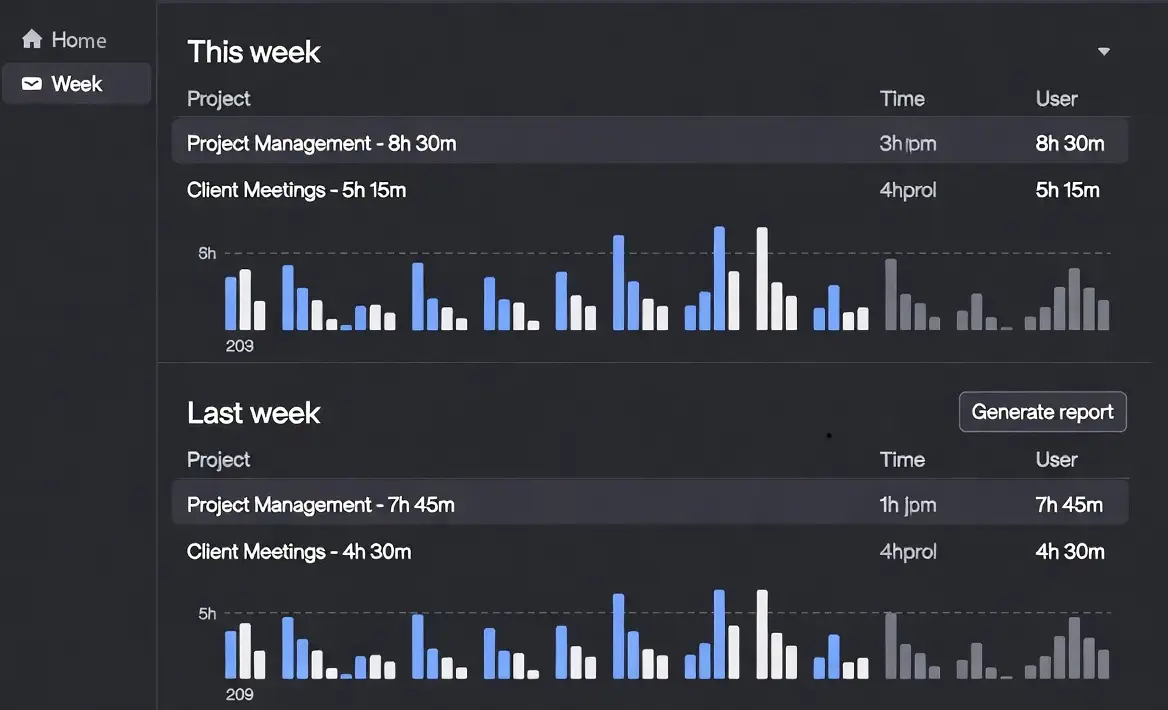
Used Toggl timer, tagged “Drafting,” “Outlining,” “Editing,” “Prompting.” Honest logs. No fudging. My friend bet AI would crush it by 40%. I almost took that wager.
Total manual article: 9 hours 42 minutes.
Claude-assisted: 7 hours 51 minutes.
Surface win for AI. But break it down phase by phase, picture shifts.
Outlining Phase: AI Dominates Here
Manual outlining took forever. Stared at bullet points, rearranged, scrapped ideas. Averaged 1 hour 20 minutes per piece.
With Claude? Prompted once: “Outline a 1500-word article on foldable phones in 2025, cover market share, hardware limits, user pain points.” Boom. Solid structure in under two minutes. Tweaked it ten minutes. Total: 18 minutes.
Huge save. Brainstorming drags when you’re stuck. AI spits variants quick. I ran three outlines, picked best. Manual me would’ve settled on first mediocre one.
But. Sometimes Claude missed angles I cared about. Added them manually anyway.
Drafting Raw Text: Where Speed Feels Real
Manual drafting chewed 5 hours plus. Words come slow, backspace city, rabbit holes on phrasing.
Claude week, initial drafts flew. Fed outline, said “Write section on battery life issues, conversational tone.” Paragraphs appeared. Churned 1200 words in 2 hours 30 minutes total prompting and waiting.
Copy-paste, minor tweaks. Felt magical first day.
Yet wait times added up. Claude thinks 10-20 seconds per response. Chain prompts for coherence, another 45 minutes.
Still faster. Raw word count exploded.
Our team Slack buzzed about this. One guy drafts scripts entirely in Claude now. Saves him mornings.
Editing Hell: The Hidden Time Sink
Here’s the kicker. Manual edits clocked 2 hours 40 minutes. Read through, tighten sentences, fix flow. Familiar voice, quick cuts.
Claude drafts? 3 hours 50 minutes editing. Tone wandered—too formal sometimes, repetitive phrases, weird tangents. Had to rewrite chunks to sound like me.
One section on pricing? Claude hallucinated a model that doesn’t exist. Caught it, but wasted 15 minutes verifying.
Prompted rewrites: “Make this less stiff, add personal anecdotes.” Better, but still polished manually.
AI saved upfront, cost backend. Net gain shrunk.
Prompt Engineering Ate My Life
New category entirely: 1 hour 13 minutes just typing prompts. Refine questions, feed context, iterate when output sucked.
“Didn’t expect that,” I told my editor. He nodded—same issue with ChatGPT on graphics.
Prompting is skill. Bad input, garbage out. Spent time learning Claude’s quirks mid-experiment.
Real-World Use Case: Deadline Crunch
Last month, client needed a 2000-word whitepaper fast. Three days. Panicked, leaned hard on Claude.
Outlined together in 15 minutes. Drafted sections overnight—well, I slept, it “worked.” Morning: 1800 words ready.
Edited heavy two days. Total 11 hours versus my usual 18 manual.
Shipped on time. Client happy. AI clutched there.
But for site posts? Where voice matters, personal stories weave in? Manual feels better, less cleanup.
My buddy tried same for code docs. Claude nailed structure, he tweaked details. Saved days on boring boilerplate.
Step-by-Step Guide to Tracking Your Own AI Productivity
Curious if Claude helps you? Run this mini-test.
Pick comparable tasks. Two similar articles or reports.
Time one fully manual. Log every phase separately.
Switch to AI. Note prompting time too—critical.
Use same tool consistently. I stuck Sonnet.
Compare totals, but drill into phases. Overall hide traps.
Factor quality. Faster crap isn’t win.
Repeat over weeks. One-off skews.
Pro-Tip Box
Pro-Tip: Chain prompts with “reference previous output” to cut context re-feed. I upload full draft as text file, say “Rewrite section 3 using this tone from section 1.” Shaves 20-30% off iteration time. But watch token limits—chunk big pieces.
Troubleshooting and FAQ
Reddit’s r/ClaudeAI and r/writing full of these debates. Four common ones I hit.
Does Claude really save time for creative writing?
For first drafts yes, heavy lifts. But personality-heavy stuff needs your hand anyway. I save 20-30% net on research posts.
Why do my Claude drafts sound robotic?
Default style leans safe. Prompt explicitly: “Write like a conversational tech journalist, short sentences, some slang.” Feed examples of your writing first.
Prompting takes forever—any fix?
Start simple, build. Use projects feature to store context. I keep a “style guide” prompt reusable.
Is editing AI text harder than writing from scratch?
Often. Inconsistencies creep. Read aloud catches tone shifts quick. I do final pass manual only.
Better tools out there now?
Claude still tops for long context in my tests. Grok faster sometimes, but drifts off-topic more.
Numbers don’t lie. AI cut my total time 19%. Worth it for volume. But pure craft? Manual wins soul.