Your phone buzzes again. You glance down, swipe it open, scroll for minutes. Nothing urgent. Yet you do it over and over. Apps like Instagram, TikTok, X—they engineer these pings to hook you deep. Behavioral psychologists team up with designers to exploit brain wiring, variable rewards, dopamine hits. In 2025, with attention the new oil, companies fight harder for every second. I felt it myself. Days blurred from constant checks. Productivity tanked. Relationships suffered. So I dug into the tactics. Read old papers from Tristan Harris, talked to a designer buddy who worked at a big social firm. Then experimented on my own devices. Cut notifications, timed usage, watched habits shift. The pull loosened. You can too. But first understand how they grab you. And why breaking free feels so damn hard right now.
The Core Tricks Apps Deploy
Apps borrow straight from slot machines. B.F.0 Skinner showed decades ago that intermittent rewards keep rats pressing levers. Same here. You never know if the next notification holds a like, a message, or junk. That uncertainty spikes dopamine.
Red badges scream urgency. Even cleared, the number lingers in memory. My phone hit 50 unread once. Felt anxious until zero.
Social reciprocity kicks in hard. Someone tags you, replies—ignoring feels rude. Apps amplify FOMO. Stories vanish in 24 hours. Miss them, you’re out.
Then streaks. Duolingo nags if you break one. Snapchat built empires on them.
A friend who coded push systems at a messaging app spilled it. They A/B test timing. Evening pings pull hardest when you’re bored.
Dopamine Loops in Action
Open the app, relief hits. Scroll, more hits. Close, slight crash. Repeat.
I tracked one week. Averaged 120 pickups daily. Mostly notification triggered.
Variable rewards rule. One ping: funny meme from group chat. Next: ad. Brain chases the high.
Color plays too. Red for urgency—evolution wired us to notice blood, danger.
Sound matters. Custom tones link to pleasure. Change it to default, pull weakens.
But endless scroll feeds the loop. No natural end. Pull to refresh mimics gambling pull.
Our team discussed this over coffee. One guy quit social cold. Said clarity returned fast.
Real-World Use Case: My Two-Week Detox
Mid-November, notifications overwhelmed me. Writing stalled. Sleep sucked. Decided enough.
Day one: turned off all non-essential. Kept calls, texts, calendar.
First 48 hours rough. Phantom buzzes. Hand reached for phone constantly.
By day four, focus sharpened. Wrote two articles uninterrupted.
Week Constants pings gone. Read books again. Talked to family without glancing down.
One evening, missed a work Slack. No big deal—handled next morning.
Reintroduced some selectively. News apps on schedule only.
Habit stuck mostly. Pickups dropped to 40 daily. Felt liberated.
My partner tried similar. Cut shopping app alerts. Saved money, less impulse buys.
How Notifications Erode Daily Life
Constant interrupts fragment attention. Studies show it takes 23 minutes to refocus after distraction.
Anxiety builds. Always on call.
Sleep suffers. Blue light plus mental buzz.
Kids see parents glued. Cycle continues.
I noticed mood swings tied to likes. Bad day if low engagement on posts.
Yet companies push harder. 2025 features like live activities on iOS keep you hooked longer.
Step-by-Step Guide to Regaining Control
Ready to cut back? Here’s what worked for me.
Audit your notifications. Go to settings, list every app allowed to ping.
Ruthless prune. Keep only true urgents: messages from close contacts, banking alerts.
Use Do Not Disturb schedules. Mine runs 10pm to 8am, plus work blocks.
Grayscale mode. Colors lure less in black and white.
Move tempting apps off home screen. Buried folders.
Set app limits. iOS Screen Time enforces.
Replace habit. Phone buzz feel? Breathe deep instead of check.
Review weekly. Adjust as needed.
Pro-Tip Box
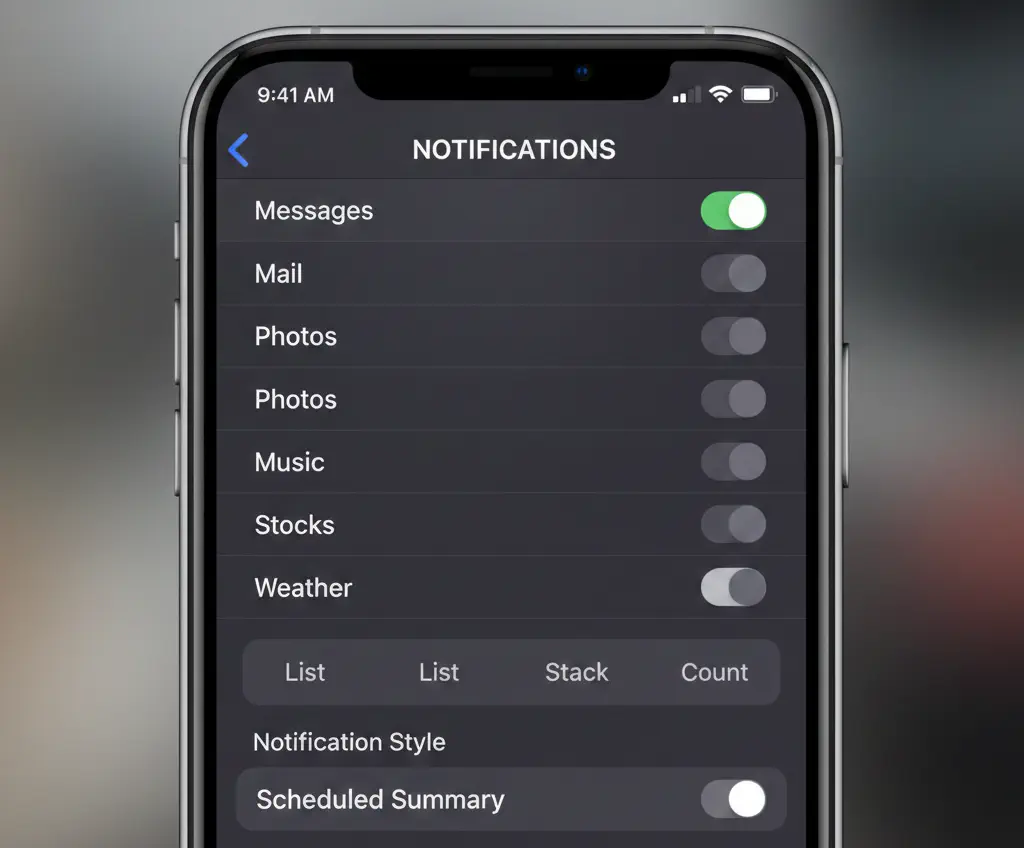
Pro-Tip: Batch notifications with apps like Focus on Android or scheduled summary on iOS. They bundle pings into digest times—twice daily for me. Cuts interrupts 80% without missing critical stuff. Tweak delivery times to off-peak hours.
The Bigger Pushback Movement
People fight back. Time Well Spent movement grew. EU regulations force easier opt-outs.
Books like “Indistractable” by Nir Eyal—ironic, he designed hooks earlier.
Communities on Reddit share wins. r/nosurf full of stories.
My designer friend left the industry. Teaches ethical design now.
Change starts personal though.
Troubleshooting and FAQ
Forum threads overflow with these questions. Four common ones.
Why do I feel anxious turning notifications off?
FOMO wired in. Starts strong, fades in days. I felt it worst first week.
Can I keep social without the addiction?
Yes. Mute groups, turn off likes alerts. Check on your terms.
Do app limits really work?
They do if you don’t override. I set passcode with friend holding it.
Best way to handle work notifications?
Whitelists. Only key people ping through.
Is grayscale mode worth it?
Totally. Drains appeal fast. Phone feels like tool again.
Broke the worst chains. Attention returned. You can grab yours back too.