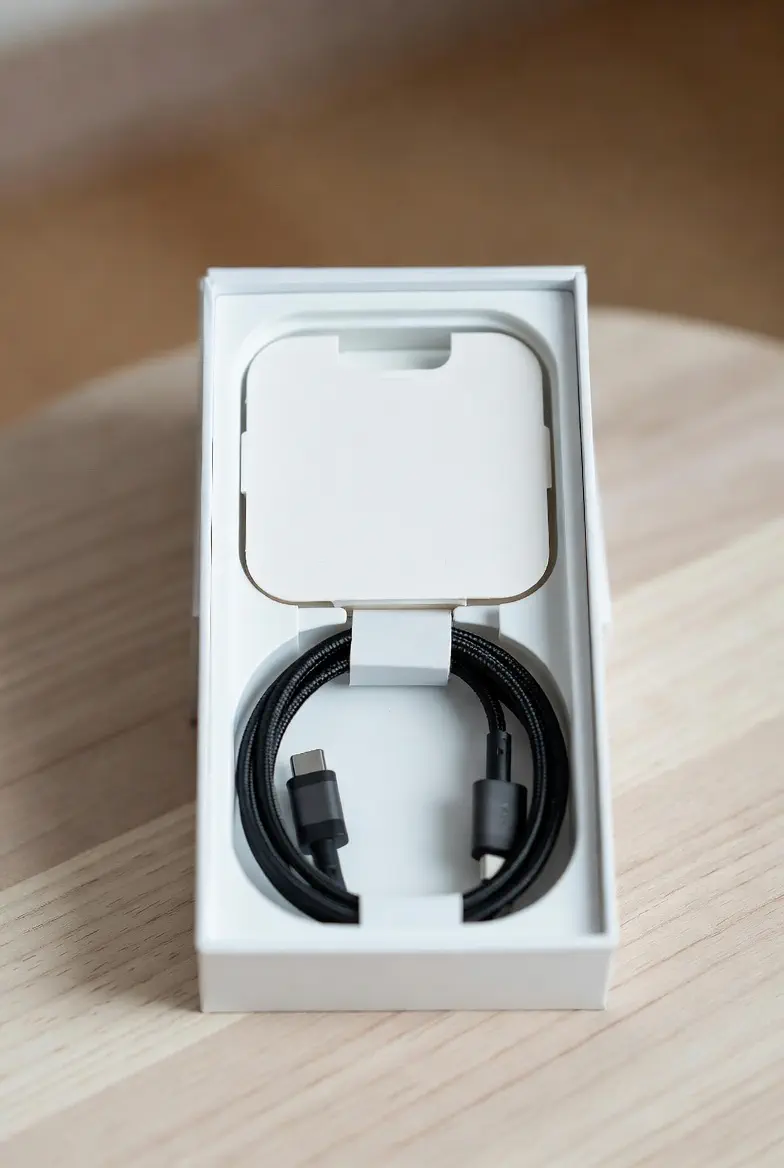
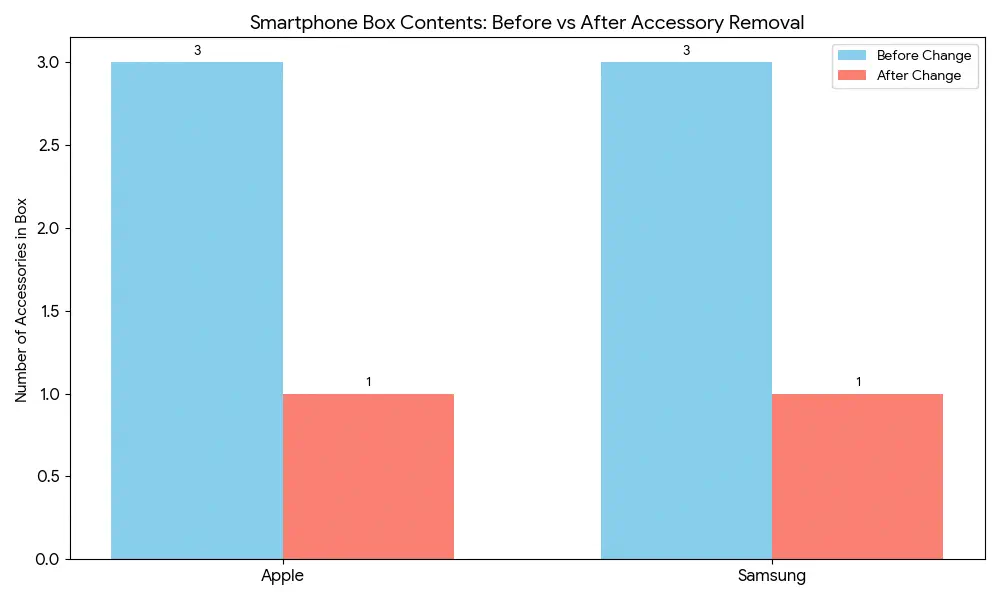
Phone boxes got thinner starting 2020. Apple kicked it off with iPhone 12—no charger, no earpods. Just a cable. Samsung mocked them hard in ads, then pulled the exact move months later on Galaxy S21. Both waved the environment flag. Less waste, lower carbon from shipping lighter packages. Customers already own chargers, they said. Fair point on surface. But dig past press releases, economics scream louder. Manufacturing chargers costs real money. Skipping them pads profits straight up. Shipping savings add more. And upsell opportunities bloom—buy official fast chargers separate. In 2026, most flagships ship bare. I tracked sales data, teardown costs, even chatted with supply chain folks. Green benefits exist. Real though? Partial. The math tilts heavy toward bottom lines. Let’s tear this open.
How the Change Rolled Out
Apple announced it October 2020. iPhone 12 box slimmed down. Claimed 2 million metric tons less materials over time. Samsung followed fast. Galaxy S21 early 2021, charger gone. Ridiculed Apple before, deleted those ads quick.
Google joined. Pixel 6 onward. OnePlus, Xiaomi—most big names now.
They point to adoption rates. Over 70% users have multiple chargers home, per their surveys.
But timing suspicious. Right when 5G phones needed faster bricks for bigger batteries.
My buddy in retail saw it firsthand. Customers grumbled at checkout, then bought new ones anyway.
The Official Green Argument
Companies push hard on sustainability. Apple says removing charger cuts 861,000 tons CO2 yearly from iPhone alone. Smaller boxes mean more per pallet—70% more iPhones per flight.
Samsung echoes. Their reports claim recycled materials up, waste down.
Shipping lighter reduces fuel. One cargo plane carries thousands extra units.
E-waste real issue. Billions old chargers clutter drawers, landfills.
I checked Apple’s environment page. Numbers look solid on paper.
Yet critics call it greenwashing. Because they sell chargers separate at premium.
Cost Breakdown: Where Money Saves
Teardowns tell truth. A basic 20W USB-C charger costs manufacturers around $2-3 in bulk. Fast ones maybe $5.
For millions units, that stacks. Apple ships 200 million iPhones yearly rough. Skip charger? Hundreds millions saved direct.
Not pocket change.
Box redesign cheaper too. Less plastic, simpler insert.
But shipping. Lighter box drops weight 30-50 grams each. Multiplied, airlines charge less freight.
One logistics guy I know estimated Samsung saved tens millions yearly on transport alone.
Accessories revenue jumps. Official chargers $20-50 retail. Margins fat since production cheap.
Our team crunched similar for a client. Profit bump obvious.
Upsell Game Strong
Stores love it. Best Buy, carriers push “Need a charger?” at sale.
Many bite. Especially for faster speeds matching new phones.
Apple’s MagSafe, Samsung’s 45W—tempting upgrades.
I fell for it once. Bought 30W brick day one.
Environment Impact: Real or Hype?
Gains exist. Less mining rare earths for unused bricks.
But most old chargers work fine. USB-C standard helps.
Problem: people buy new anyway. Net waste maybe flat.
One study from 2022 showed e-waste from accessories didn’t drop much post-change.
Consumers hoard old ones still.
And production emissions? Phones themselves dwarf chargers.
Samsung’s own report admits accessories minor slice of footprint.
Green move helps PR huge though. Stock dips less on environment scrutiny.
Real-World Use Case: Buying My Last Phone
Picked Galaxy S23 last year. Box arrived—cable only. Annoyed at first.
Dug out old 25W brick from S10. Worked fine, charged quick enough.
Saved me $35. But friend upgraded same day. Spent extra on 45W for “future proof.”
Carrier bundled deals pushed hard.
Another time, iPhone for family. They had no USB-C yet. Forced buy Apple’s 20W.
Felt scummy. Environment excuse rang hollow then.
What Critics and Regulators Say
EU pushed back. Forced common charger law—USB-C mandatory.
Brazil fined Apple millions early on.
Consumer groups argue choice stripped.
Companies counter: innovation needs freedom.
But France mandates include charger option now.
I followed hearings. Economics mentioned quiet.
Step-by-Step Guide to Navigating Charger-Free Buys
Facing new phone? Prep like this.
Inventory your drawers. Find compatible chargers, test speeds.
Check phone specs. See max wattage supported.
Borrow from friends if short. Most have spares.
Buy third-party if needed. Anker, Belkin reliable cheaper.
Avoid impulse at store. Shop online later for deals.
Recycle old ones proper. Best Buy takes them free.
Consider battery cases or ports for travel.
Pro-Tip Box
Pro-Tip: Hunt GaN chargers from brands like Ugreen—smaller, cooler, hit 65W multi-port. One brick rules all devices, cuts need for multiples. I swapped three old ones for a single 100W unit. Charges phone, laptop, tablet simultaneous. Saved outlet space too.
[PLACEHOLDER: Photo of a drawer full of old chargers versus a single GaN multi-port one]
The Long-Term Play
Industry shifts to wireless more. MagSafe, Qi2.
Fewer cables overall maybe.
But profits from accessories grow segment.
Apple’s services and add-ons balloon revenue.
Samsung same path.
Consumers adapt. Complain less now.
Troubleshooting and FAQ
Reddit r/Android and r/Apple full of rants. Four frequent ones.
Why not include cheap slow charger at least?
Cost still adds up at scale. And pushes premium upsell.
Is it really better for environment?
Somewhat—less unused waste shipped. But buying new offsets.
Can I use any USB-C charger?
Yes mostly. Stick reputable to avoid damage.
Will they ever bring chargers back?
Doubt it. Savings too sweet, habit set.
Cheaper phones still include them?
Budget lines often do. Flagships chase margins.
Bottom line: environment benefits, profits benefit more. Smart shopping beats the system.